Farm equipment connectivity without cellular coverage
Multi-hop mesh between machines, field sensors, and crew phones across acres the coverage map gave up on. Precision agriculture data that reaches the platform without a SIM per device. Live on 350,000+ devices across 80+ countries.
Sensors join the mesh over BLE, no subscription or gateway tower
Reach grows with every machine, sensor, and phone in the operation
Carry yield and application payloads home on the next pass
The same mesh runs across 80+ countries
Precision agriculture assumes connectivity the countryside does not have
Coverage maps and field reality are different documents
Precision agriculture platforms assume LTE. The back forty, the valley floor, and the far side of the hill disagree. The exact acres where decisions matter are the acres that report nothing.
Equipment data strands in the cab
Yield maps, application records, and machine diagnostics sit in the terminal until the equipment parks near the farmhouse WiFi. Agronomy decisions that should take minutes wait for the end of the day.
Sensors are cheap, backhaul is not
Soil probes, moisture sensors, and weather stations cost less every year, but each one still needs a SIM, a subscription, or a gateway tower to say anything. The connectivity bill outgrows the sensor bill.
Harvest coordination happens by driving around
Combines, grain carts, and trucks coordinate a moving operation across fields with no signal. When the radio is not enough, someone drives to go look, and the harvest window does not wait.
What the mesh replaces
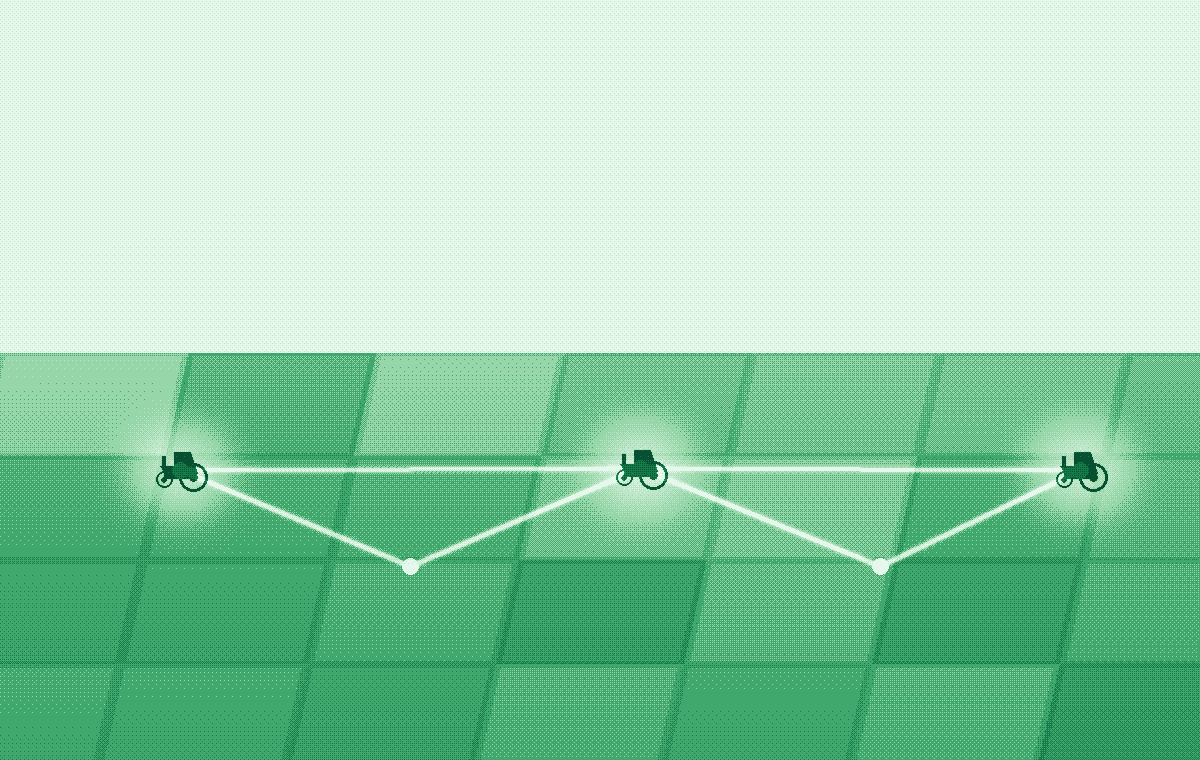
Machine-to-machine mesh across the operation
DORS forms a multi-hop mesh between tractors, combines, carts, and phones over BLE and WiFi Direct, with automatic failover and sub-second transport switching. The harvest coordinates in-field, machine to machine, with no tower in the loop.
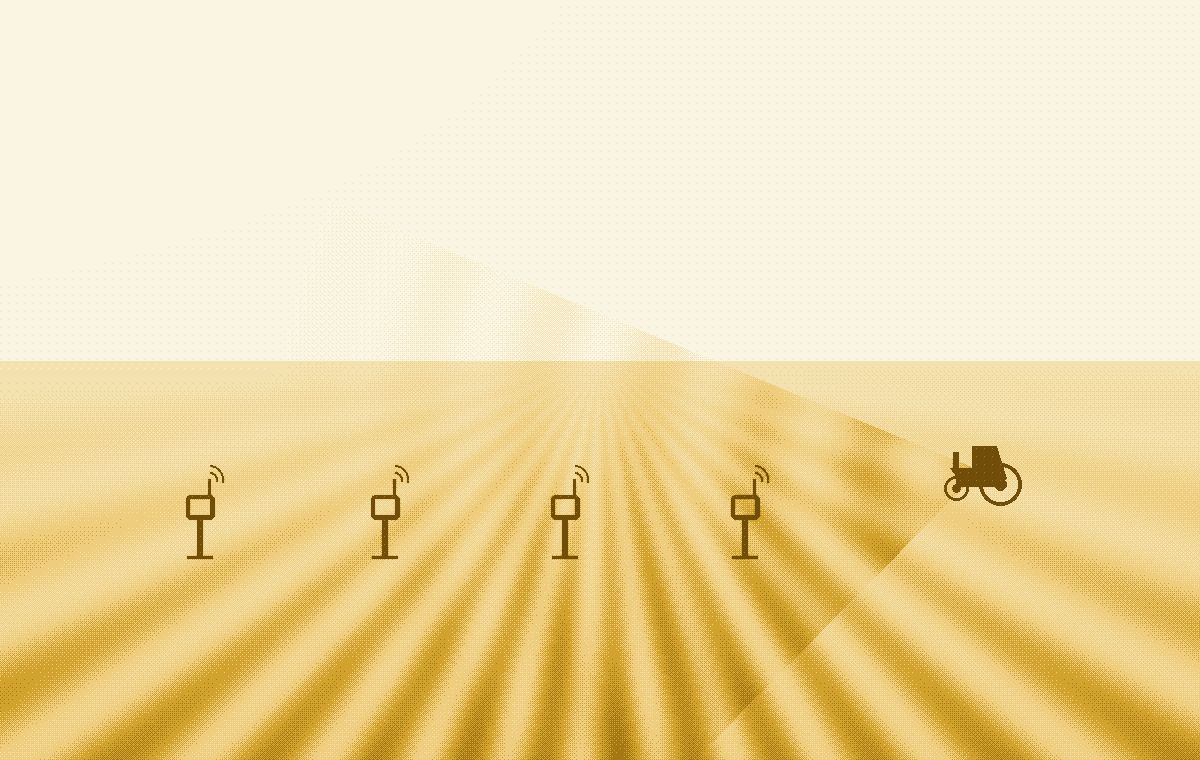
Sensors served by whatever passes them
A soil probe advertises its readings as a service. Any machine that passes within range invokes it, carries the payload, and syncs it at the yard. Service Discovery and chunked transfer turn every pass of the field into a data run.
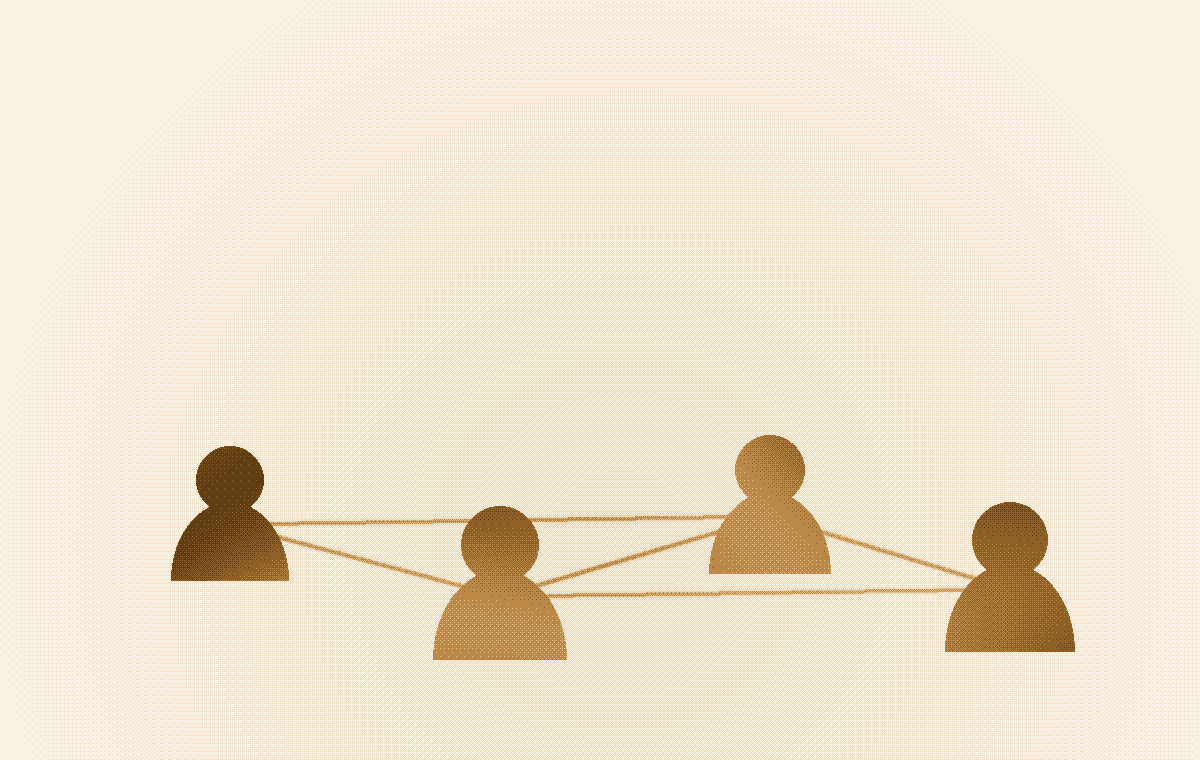
Crew coordination in the dead zones
MLS-encrypted messaging and coordination between operator phones, the same stack that runs the fernweh messenger on 350,000+ devices. Task changes and equipment status reach the crew wherever the mesh reaches, which is wherever the crew is.
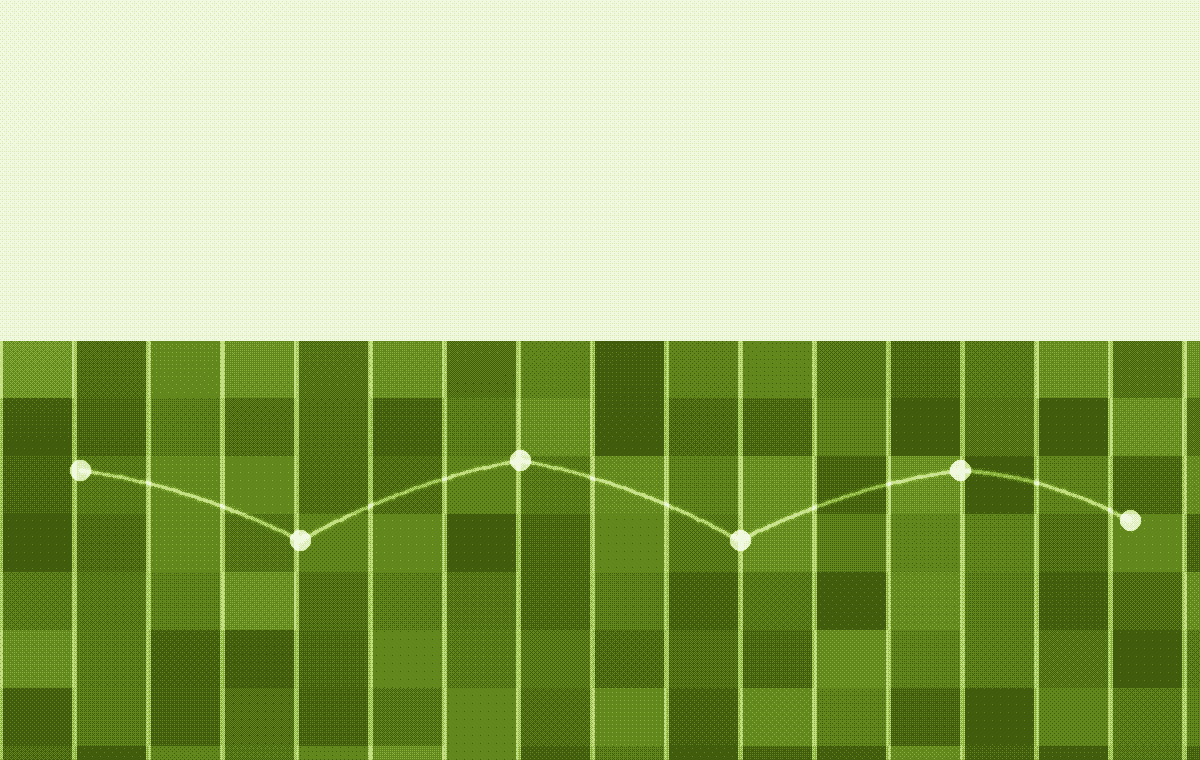
A season record with no missing acres
Opt-in telemetry buffers the operational record on-device through every disconnected pass, then flushes to your farm platform in order at the yard. Yield, application, and diagnostics data covers the whole field, not the covered corners.
What you can build for machines and field sensors
Concrete agriculture capabilities you can integrate today on the SDK primitives, no named-customer required.
You can build sensors with no SIM and no backhaul bill
A soil probe advertises its readings as a service over BLE. Any machine that passes within range invokes it, carries the payload, and syncs it at the yard. Service Discovery and chunked transfer turn every pass of the field into a data run, no per-sensor subscription required.
You can build machine-to-machine harvest coordination
Combines, grain carts, and trucks route task changes and equipment status machine to machine over BLE and WiFi Direct, relaying up to 8 hops. The harvest coordinates in-field with no tower in the loop, so nobody drives across acres to check a status.
You can build a season record with no missing acres
Opt-in telemetry buffers yield, application, and diagnostics data on-device through every disconnected pass, then flushes to your farm platform in order at the yard. Your platform stays the system of record and finally sees the acres it never could.
Agriculture IoT without a SIM in every sensor
Most farm connectivity products answer rural dead zones by adding infrastructure: a SIM per machine, a LoRa gateway per section, a subscription per sensor. A multi-hop mesh answers with the equipment you already run. Machines, sensors, and crew phones connect directly over BLE and WiFi Direct, relay for each other up to 8 hops, and use equipment movement itself as transport: whatever passes a sensor carries its data home.
Under the hood, a soil probe advertises its readings through Service Discovery, any passing machine invokes them, and chunked transfer moves payloads up to 100MB. Your farm platform stays the system of record; opt-in telemetry just gets it data from acres it could never see.
The same architecture keeps trucks and grain haulers coordinating once the harvest leaves the field.
A soil probe read, carried home by the machines that passed it
A soil probe reading travels over an offline farm mesh network, relayed by a combine and a grain cart to the farmhouse gateway dashboard with no SIM, no cellular, and no tower.
Figure 1. The probe advertises its readings, the combine invokes them on its pass, and the payload hops through the grain cart to the farmhouse gateway. No SIM in the probe, no tower on the horizon, no acre unreported.
The primitives behind connectivity without a SIM
Machine movement is the transport
A sensor advertises readings, whatever passes within range invokes and carries them, and the payload syncs at the yard. No SIM, no LoRa gateway, no tower on the horizon.
How mesh networking works →Sensors served through service discovery
A soil probe exposes its readings as a discoverable service. Any machine within 8 hops invokes it request/response, and chunked transfer moves payloads up to 100MB.
How service discovery works →A season record with no missing acres
Opt-in telemetry buffers the operational record on-device through every disconnected pass, then flushes to your farm platform in order at the yard.
How telemetry works →What your team can implement
Each capability is a shipped SDK primitive. Follow the link to the reference.
Machine-to-machine mesh transport
Route coordination machine to machine with automatic failover.
→Sensor service advertising
Expose a soil probe or weather station as a discoverable service.
→Offline equipment authentication
Verify a machine or gateway device-to-device with an Ed25519 OfflineID.
→Gap-free season telemetry
Buffer yield and application data on-device, flush in order at the yard.
→Chunked field-data transfer
Carry sensor and yield payloads up to 100MB home on the next pass.
→Rust core on cab devices
Run the SDK on the phones and tablets crews already carry in the cab.
→Encrypted crew messaging
MLS-encrypted coordination between operator phones in the dead zones.
→Scope an operation pilot
A 6 to 10 week pilot against your acres and your equipment.
→How a pilot runs
6 to 10 weeks, scoped up front, no open-ended commitments.
The SDK goes onto cab devices, crew phones, and a farmhouse gateway. Devices join the mesh and authenticate with operation-provisioned OfflineIDs.
A defined offline scenario on your acres: sensor reads, machine coordination, and crew messaging running mesh-only across the fields with no coverage.
Success criteria agreed before week one, evaluated against the opt-in telemetry record: delivery rates, sensor coverage, sync completeness at the yard.
Agriculture FAQ
How do you connect farm equipment without cellular coverage?
With a device-to-device mesh instead of a tower. DORS links tractors, combines, carts, and crew phones over BLE and WiFi Direct with multi-hop relay up to 8 hops, so machines coordinate in-field and data rides along with equipment until it reaches the yard gateway.
What hardware does the mesh need on a farm?
The phones and tablets already in the cab. The SDK ships as a React Native binding over a Rust core, so it runs on the devices operators carry, and on any gateway or equipment compute that can run the Rust core.
How do field sensors reach the farmhouse without cellular?
Machines carry the data. A sensor advertises its readings over BLE, any equipment that passes within range invokes and stores them, and the payload syncs when that machine reaches the yard. Chunked transfer handles up to 100MB per payload.
Does every sensor need a SIM or a LoRa gateway?
No. Sensors join the mesh over BLE, and battery-aware relay keeps their power draw in check. The connectivity line item per device, the SIM, the subscription, the gateway tower, is what the mesh removes.
Does this work with our existing farm management platform?
The SDK is TypeScript over a Rust core, and opt-in telemetry flushes to whatever sink you install. Your existing platform stays the system of record; the mesh gets the data to it from fields it could not previously reach.
How far can the mesh reach across open fields?
Routing is multi-hop up to 8 hops, so reach grows with every machine, sensor, and phone in the operation. Equipment movement extends it further: a machine that passes a sensor carries its data the rest of the way.
How does a pilot work?
A 6 to 10 week scoped pilot against your operation, your acres, and success criteria we agree up front. Contact us to scope it.