Turn device density from a problem into infrastructure
Tens of thousands of devices in one venue saturate every network. On the mesh, each of those devices becomes a relay: coverage improves as the crowd grows, the exact inverse of how cellular behaves at capacity. Event clusters are already visible on the live network map.
Sustained by the network through event spikes, no new infrastructure
Coverage spans a packed venue over attendee devices
Switches between BLE, WiFi Direct, and internet with no gap
Mesh services run with no on-site infrastructure
Full venue, dead network
Cellular saturates at capacity
Sixty thousand phones on three towers means nothing gets through. Attendee apps, payments, and staff comms all degrade together at exactly peak load.
Venue WiFi is expensive and still fails
High-density WiFi builds cost millions per venue and still collapse in the pit, the concourse, and the parking structure.
Operations depend on the same failing links
Security, medical, and production teams coordinate over the same congested infrastructure as the crowd, with no fallback when it saturates.
Every phone is a node
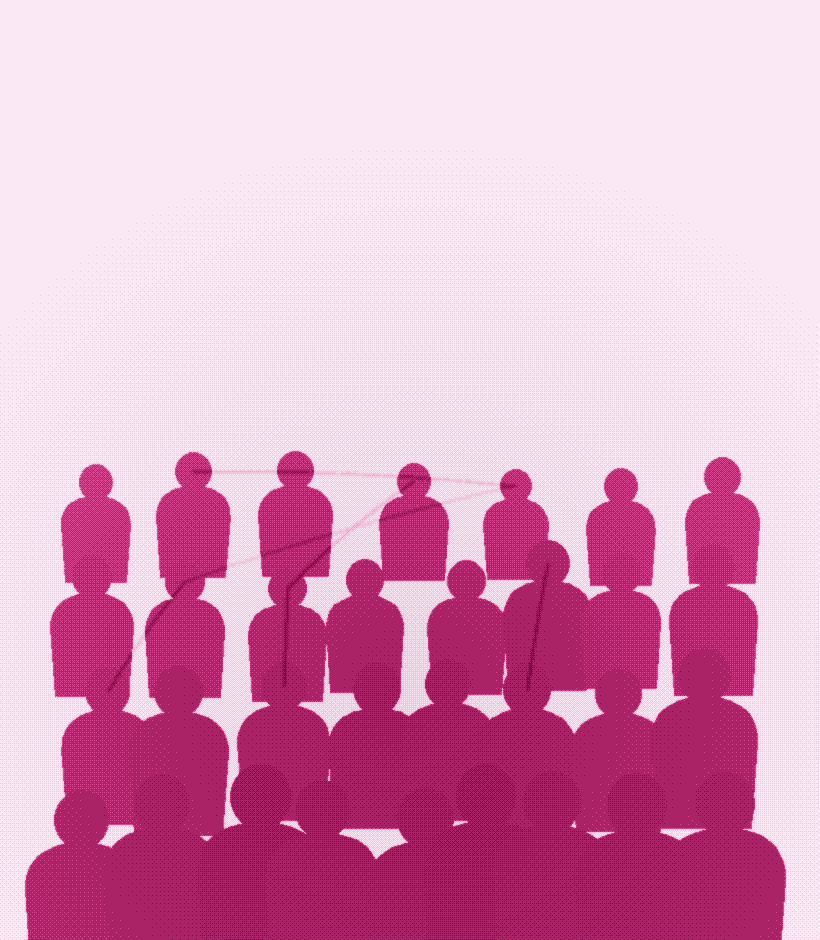
Coverage that scales with the crowd
DORS meshes attendee and staff devices over BLE and WiFi Direct with multi-hop relay. More people means more relays, the inverse of cellular behavior. Battery-aware relay promotion keeps the load distributed.
Staff comms with a guaranteed path
Operations traffic moves over the mesh independent of tower and WiFi load, encrypted with MLS, with OfflineID separating staff roles from attendee traffic.
Venue services without backhaul
Wayfinding, schedules, and announcements publish as discoverable services on the mesh. Attendee apps invoke them request/response without touching the internet.
What you can build for dense, no-signal venues
These are buildable today on the SDK primitives, with no venue infrastructure required.
An event app that works when cellular saturates
You can build offline messaging, schedules, and wayfinding into your existing event app with DORS, so traffic moves attendee phone to attendee phone over BLE and WiFi Direct. Every device is a relay, so coverage grows as the venue fills.
Separated staff operations comms
You can build a staff channel that rides the same crowd mesh inside MLS-encrypted sessions, with OfflineID keeping security, medical, and production roles authenticated and separate from attendee traffic.
Discoverable venue services
You can build wayfinding, live polling, announcements, and file drops as request/response services with Service Discovery. Attendee apps find each by name over the mesh and invoke it with no internet in the loop.
The primitives behind event connectivity without cell service
Coverage that scales with the crowd
DORS meshes attendee and staff devices with multi-hop relay, so throughput grows with density instead of collapsing under it. Battery-aware promotion keeps low-charge phones off relay duty.
How the mesh works →Venue services with no backhaul
Publish schedules, wayfinding, and announcements as discoverable services on the mesh. Attendee apps resolve them by name and invoke them request/response like an API endpoint.
How discovery works →Authenticated staff roles
OfflineID gives staff Ed25519 identities verified device-to-device, so operations traffic stays separate from the attendee crowd it rides on, all inside MLS-encrypted sessions.
Offline identity, explained →What your team can implement
Offline attendee messaging
Direct and group chat relayed phone to phone with no tower.
Wayfinding and schedule services
Discoverable request/response endpoints on the mesh.
MLS staff operations channels
Encrypted group comms authenticated per role with OfflineID.
Battery-aware crowd relay
Well-charged devices carry the mesh, low ones just ride it.
Live polling and announcements
Broadcast and collect responses without backhaul.
Post-event telemetry review
Opt-in record of transport switches and delivery latency per hop.
File drops across the venue
Chunked transfer moves payloads up to 100MB with resume.
Build on the SDK
React Native and TypeScript bindings over a Rust core.
Offline messaging and event apps at stadium scale
Cell service fails at concerts and festivals for a structural reason: tens of thousands of phones divide the capacity of a few tower sectors, and the split gets worse at exactly peak demand. Adding attendee devices to a multi-hop mesh reverses the curve. Each phone relays for its neighbors over BLE and WiFi Direct, so the network the crowd carries in grows with the crowd.
For your event app, that means offline messaging, schedules, and wayfinding served peer to peer with no backhaul in the loop, and battery-aware relay keeping the load off low-charge devices. Staff traffic rides the same mesh inside separate MLS-encrypted, OfflineID-authenticated sessions.
The transport, identity, and discovery layers ship together as one platform, and the same rails are the foundation for payments that keep working when the venue network does not.
Staff traffic rides the crowd's mesh, not the saturated tower
A security post phone dispatches the medical team across a packed venue over the attendee mesh network while the cell tower is saturated, reaching the gate operations dashboard in seconds.
Figure 1. Attendee devices relay an MLS-encrypted staff message across the venue while the tower serves nobody. OfflineID keeps staff traffic authenticated and separate from the crowd it rides on.
Services a venue can publish onto the mesh
Anything with a request/response shape registers as a discoverable service and runs without backhaul. Attendee apps find each service by name over the mesh and invoke it like an API endpoint, and dedicated hardware relays can anchor coverage in fixed spots like gates and medical stations.
Live events FAQ
How can an event app keep working when there is no cell service?
By moving traffic device to device instead of through the tower. With the SDK embedded, attendee phones mesh over BLE and WiFi Direct with multi-hop relay, so schedules, wayfinding, announcements, and messaging keep flowing while cellular is saturated.
Why is there no signal at stadiums and festivals?
Tens of thousands of phones share a handful of cell sectors, and capacity divides across all of them at once. The mesh inverts that: every attendee device is a relay, so throughput grows with the crowd instead of collapsing under it.
Do attendees need to install something?
The mesh embeds in your existing event app through the SDK. Any device running the app becomes a node automatically.
What does it do to attendee battery life?
Relay duty is battery-aware: by default a device stops relaying below 30% charge, and operators can pin relay priority to always, auto, or never per device class. Well-charged devices carry the mesh; low ones just ride it.
Can this handle a stadium-scale crowd?
Density is the favorable case: the mesh gains capacity with each device. The live network already sustains 10,000+ active clusters, with event-driven spikes visible on the network map.
How do we trial it at one event?
A scoped pilot instruments one event or venue over 6 to 10 weeks, from SDK integration to post-event telemetry review. Contact us to scope it.
What can we learn after the event?
The opt-in telemetry stream records transport switches, routing decisions, and delivery latencies per hop, so operations gets a post-event picture of exactly how the mesh behaved as the venue filled and emptied.
Does this need any venue infrastructure at all?
No. The mesh is made of the devices already in the building. Fixed hardware relays are optional anchors for gates, medical stations, and back-of-house areas where crowd density is low but coverage still matters.